
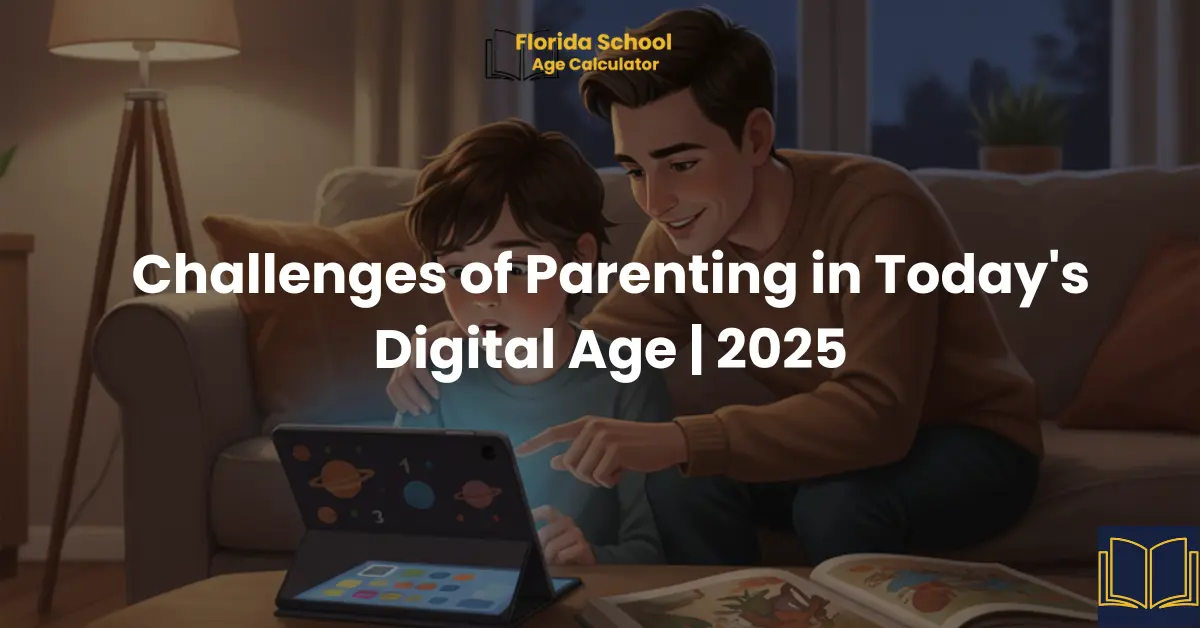
I recently observed a two-year-old effortlessly swipe open a tablet to navigate to a favorite cartoon.
This stark moment highlights the core challenge for families today: raising grounded, healthy children in an environment where technology is intuitive, pervasive, and often overwhelming.
As a researcher dedicated to analyzing family dynamics and digital wellness protocols, I recognize that modern parenting is not about rejecting technology, but about managing the constant tension between its undeniable benefits and its significant psychological and developmental pitfalls.
This generation of parents lacks a traditional blueprint for managing social media and cyber-risks.
The central task is to integrate technology responsibly, guided by data and expert recommendations. This guide provides an evidence-based framework for tackling the three most pressing digital challenges.
1. The Unseen Battle: Mental Health and The Social Media Paradox
The most pressing concern, supported by clinical data, is the impact of digital life on children’s emotional and psychological well-being. The digital social landscape has amplified traditional adolescent stressors and put them on permanent, searchable display.
1.1. Data on Mental Health Impact:
Clinical studies provide sobering evidence linking screen use to mental health issues:
- Anxiety and Depression: Research from the American Psychological Association (APA) highlights a strong correlation between high rates of social media use among teenagers and increasing levels of anxiety, depression, and poor sleep quality.
- Self-Control: A landmark study published in JAMA Pediatrics found that high levels of screen time are associated with lower measures of self-control and emotional stability in young children.
The pressure of the curated life, the fear of missing out (FOMO), and the need for external validation via likes create a toxic environment for developing identities.
Researcher Insight: When analyzing parent reports, the core issue is often the blurring of social lines. A private moment of teenage angst can instantly become a publicly visible, searchable event, turning minor conflict into amplified, chronic stress. Our role has shifted to being a digital literacy coach, teaching children to evaluate online interactions critically and protect their self-worth.
Balance screen time with healthy development:
2. The Constant Pull: Attention and The Myth of Focused Engagement
Beyond mental health, the struggle for a child’s attention is a fundamental parenting difficulty, as screens are deliberately engineered to be hyper-engaging. This displacement directly impacts cognitive development.
2.2. Clinical Guidelines on Screen Time
The American Academy of Pediatrics (AAP) guidelines focus not just on what children are watching, but on what they are not doing while engaged with screens:
| Age Range | AAP Recommendation | Developmental Rationale |
| Under 18 Months | Avoid screen use (other than video chatting). | Critical brain development and language acquisition require real-world interaction. |
| Ages 2–5 | Limit non-educational screen time to one hour per day. | Excessive use displaces time needed for unstructured play, reading, and motor skill development. |
| Ages 6+ | Place consistent limits and ensure screen time does not compromise sleep or physical activity. | Promotes healthy habits and protects attention span needed for complex learning. |
Analytic Observation: Even background media exposure (such as a TV left on) has been shown to reduce the quantity and quality of parent-child interactions, hindering language development (University of Michigan study). Screens make the real world seem dull by comparison, creating an engagement deficit.
Actionable Strategy: To defend against the fragmentation of collective attention, researchers advise families to institute device-free zones, such as the dinner table, and during focused family activities. This practice creates protected spaces for spontaneous conversation and connective time.
3. Safety and The Digital Footprint: A Researcher’s Guidance
The third major hurdle is online safety.
The internet is a vast public space, and adults must guide children to navigate it with appropriate caution. The concerns extend beyond stranger danger.
Key Digital Safety Concerns (Pew Research Center)
A majority of parents express significant concern regarding:
- Exposure to explicit or inappropriate content.
- Experiences of cyberbullying or harassment.
- Compromise of privacy and personal data through data collection.
Furthermore, children often fail to grasp the permanence of their digital footprint, that an impulsive comment or photo today can resurface years later with severe consequences.
Best Practice Recommendation: The most effective strategy, promoted by organizations like Common Sense Media, is to shift the focus from surveillance (banning and blocking) to open communication and proactive guidance.
Finding Our Footing: An Expert-Informed Action Plan
The goal is not to raise tech-free children, but to raise tech-resilient ones who use technology as a tool, not a primary source of validation or distraction. The solutions require intentionality and consistency from the adult.
The Authoritative Next Steps:
- Educate Yourself Systematically: Do not simply hand over a device. Methodically research the apps and platforms your child uses. Resources from organizations like the International Society for Technology in Education (ISTE) offer structured parental guides.
- Create a Family Media Plan: Use a collaborative approach to establish boundaries (e.g., when, where, and for how long devices are used). This shared agreement ensures children buy into the rules.
- Model Mindful Behavior: Children replicate the digital habits they see. The most powerful intervention is a parent who is mindful of their own screen time and is present during family interactions.
- Focus on Holistic Development: Ensure technology use is not displacing other critical activities. Utilize resources for developmental tracking—like a Kindergarten Readiness Quiz—to ensure their holistic progress is the priority.
The challenges of the digital age are great, but our capacity to adapt and provide informed guidance is greater. By staying informed, setting intentional boundaries, and trusting in evidence-based strategies, parents can successfully guide their children through this new environment.

Usman Rana is a writer and researcher dedicated to helping parents navigate education systems and family life. He specializes in creating clear, reliable guides on topics from school enrollment rules to practical parenting advice. By methodically analyzing official sources, including state education departments, school district policies, and academic studies, he translates complex information into the actionable planning resources families need. His work is driven by a simple goal, and that is to provide accurate, accessible information that empowers parents to make confident decisions.